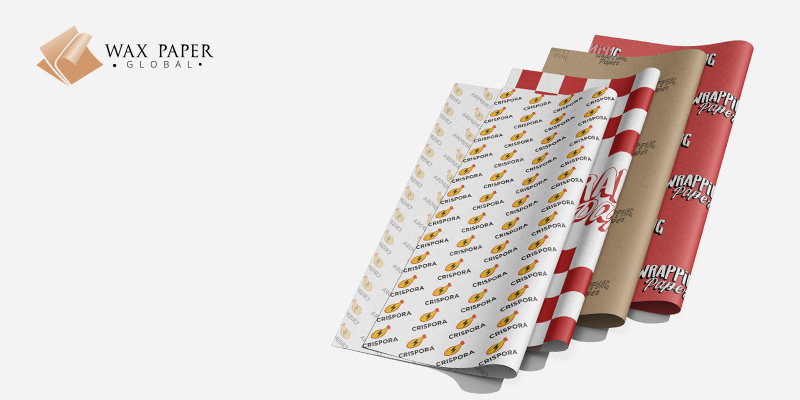
A paper has many factors that make it hard to choose which one would be the best among all. Individuals can find themselves standing between presentation, durability, food-safety, and sustainability. From gift wrapping, retail stores, to bakeries and shipping, the right kind of customized wrapping paper can increase your brand presence, protect your product, and can reduce waste.
The guide would explicitly explain each and every necessary factor that one should know to make an informed decision. Also, pointing you towards other resources that help you along the way in your decision-making journey.
Most people believe that we only need to be cautious when we are preparing or packing food. But every item demands an equal amount of functionality. Yes, a gift or retail packaging doesn’t need hefty food-safety certifications but they do need to be sustainable with an assurity that the materials are ethically sourced.
Apart from that, it's more important that the paper is correct for every packaging need or it would simply dismantle. So, instead of getting the burden off, it's going to be increased. Wrapping is not just about appearance, it's about functionality. A wrong choice would lead to torn packaging, grease stains, unnecessary cost, and food contamination. This would ultimately damage the brand’s name and reputation
Wrapping paper is a broad term that covers several functions, but each one is designed for specific use such as;
What really makes a difference is the thickness, strength, coating, and safety standards that truly makes an ordinary paper capable of performing various different functions with perfection.
Dive into Best Wrapping Paper for Food, Gifts, and Retail Packaging and get detailed information on what’s best for you.
It is the most eco-friendly option out there and best for shipping and retail packaging. Kraft paper is known for its recyclability and strength. It's ideal for businesses that are looking for durable yet sustainable packaging options with minimalistic aesthetics.
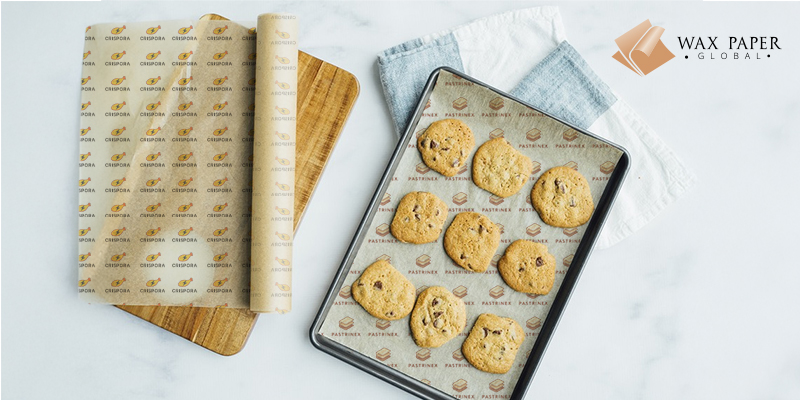
It's best for grease resistance, food wrapping and especially baking. The parchment paper is silicone-coated, giving it exceptional heat resistance and non-stick quality. It is widely used in bakeries and other food services.
For more information on custom printed parchment paper refer "Ultimate guide to parchment paper” for better understanding.
It is a commonly available paper and best for direct food contact. Personalized greaseproof paper is capable of resisting heat and oil without any wax or silicone coating.
It is best for cold storage and wrapping of food. Custom wax paper for food is not safe for oven use as the wax melts when it comes in contact with extreme heat.
A custom printed tissue paper is ideal for luxury retail, decorative layering, and gifts. This adds an elegance to the overall packaging and offers some protection making it best as a secondary wrap.
| Wrapping Paper | Uses | Food-Safety | Eco-Friendly |
|---|---|---|---|
| Greaseproof Paper | Fast food, oily products, and bakery items | Yes | Yes |
| Parchment Paper | Baking, hot food packaging, and wrapping | Yes | Partially (depends on coating) |
| Kraft Paper | Shipping and retail packaging | Only if food-grade | Yes |
| Tissue Paper | Decorative wraps, gifts, luxury retail | No | Partial |
| Wax Paper | Short-term wrapping, cold food packaging | Yes | Limited |
Before purchasing consider these few terms:
The biggest dilemmas on choosing a wrapping paper is deciding between a standard wrapping paper or a custom wrapping paper.
A standard wrapping paper works well for general purposes. It's easily accessible, available in smaller quantities, and ideal for businesses that prioritize cost efficiency. It's a good option for brands whose prime focus is not on branding.
Meanwhile, custom name wrapping paper is built for brands that want their packaging to stand out. It allows businesses to showcase their brand in the best possible and creative way. It adds little professionalism and memorable unboxing experience. Custom printing options are more popular among retail brands, bakeries, cafes, and some food services that rely heavily on visual appeal and brand recall.
A wrapping paper is only considered best when you are using it right. It depends on what you are wrapping, what your brand stands for, and how it's used. Retailers need strength and presentation, food businesses need grease resistance and safety, and eco-conscious brands need sustainable solutions. So, adhere to those and choose what suits you and your brand best.
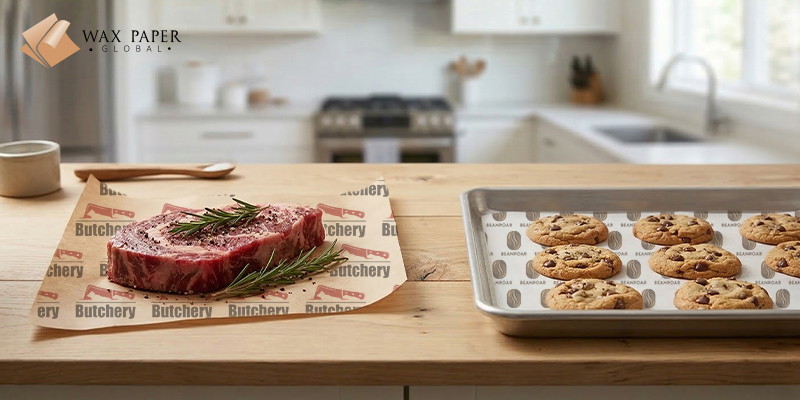
Butcher Paper vs. Parchment...
Discover how butcher paper and parchment paper differ in material, coating, and cooking uses. Find out which paper works...
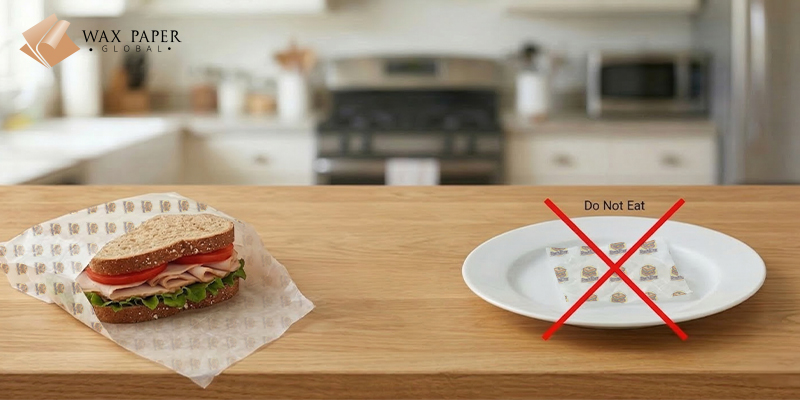
Is Wax Paper Edible or Harmf...
Learn if wax paper is safe to eat, its coating materials, and health risks. Understand proper usage and why it should no...
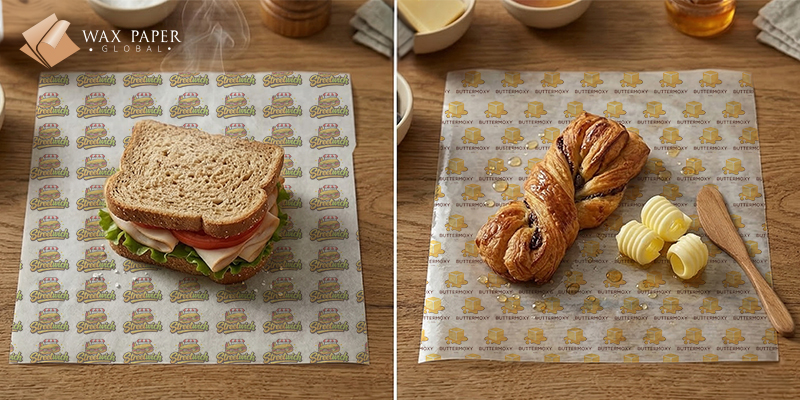
Dry Wax Paper vs. Wet Wax Pa...
Discover how dry and wet wax paper differ in texture, coating, and performance. Find out which option works best for wra...
Wax Paper vs. Parchment Pape...
Discover how wax paper and parchment paper differ in coating, heat tolerance, and usage for baking, cooking, and food pa...