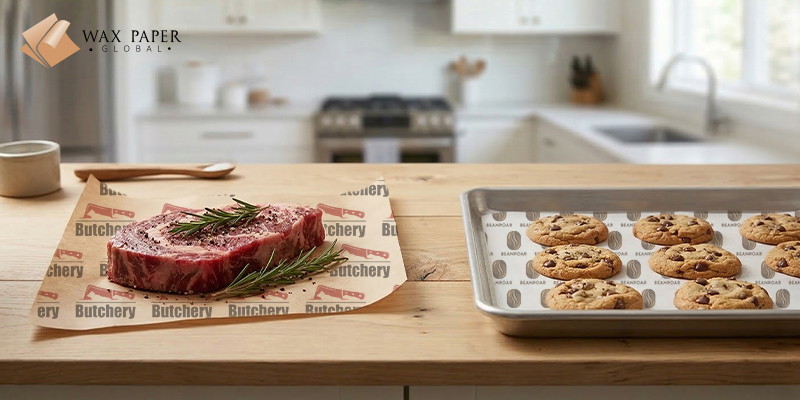
There is a vast variety of wrapping paper available that are often categorized and displayed under a generic term “food papers”. That's where most of the confusion stems for a common buyer. Both butcher and parchment paper are available as countertop rolls, dispensers used in the kitchen, or large sheets. This surface-level overlap may generate a thinking that both can be interchangeably used. To add to the confusion both are white or light-colored papers.
Irrespective of the similarities in the outlook the functionality spectrums are different for these two wrapping solutions. Wax Paper Global pledged in making things easy for its customers to understand, for them to be able to identify according to their need and requirement in the kitchen.
No, a butcher and parchment paper are not the same and their difference can be easily judged by simply touching them. A butcher wrapping paper manufactured from kraft paper having thick and durable features. It is highly sturdy paper ideal for wrapping raw meat and handling long smoking sessions. It’s breathable as well that prevents the food from getting soggy. This is a simple paper and commonly used with vibrant packaging options like newsprint paper for a complete and consistent look.
Meanwhile, parchment sheets are cellulose-based coated with heat-resistant cellulose heat resistant silicone. It is mostly used for baking, cooking, or for layering because of its non-stick property. This paper is capable of tolerating high oven heat without breaking apart. It also provides great grease and oil resistance as well.
| Butcher Paper | Parchment Paper |
|---|---|
| Heat Tolerant | High Heat Resistance |
| High Strength and Durability | Silicone coated surface |
| Breathable Fibres | Even Heat Distribution |
| Moisture Resistant | Grease Resistant |
| Aspect | Butcher Paper | Parchment Paper |
|---|---|---|
| Material | Uncoated natural kraft paper | Cellulose-paper with silicone coating |
| Surface Texture | Little rough and matte, no non-stick property | Soft and smooth, naturally non-stick |
| Breathability | Highly breathable | Low breathability |
| Heat Compatibility | Ideal for smoker temperatures (225-275°F) | Best for high-temperature use (420-450°F) |
| Moisture Behavior | Absorbs moisture and allow steam to escape similar to freezer paper | Repeals moisture due to silicone coating |
| Appearance | Has natural and rustic look | Clean, semi-translucent appearance |
| Strength and Durability | Extremely strong, durable, and tear-resistant | Delicate and light-weight, but suitable for high-heat use |
| Customization | Excellent for custom printing | Gives clean and vibrant prints on the smooth surface |
| Common Mistakes | Often confused with oven-safe parchment | Sometimes mistaken to be used for smoking meats |
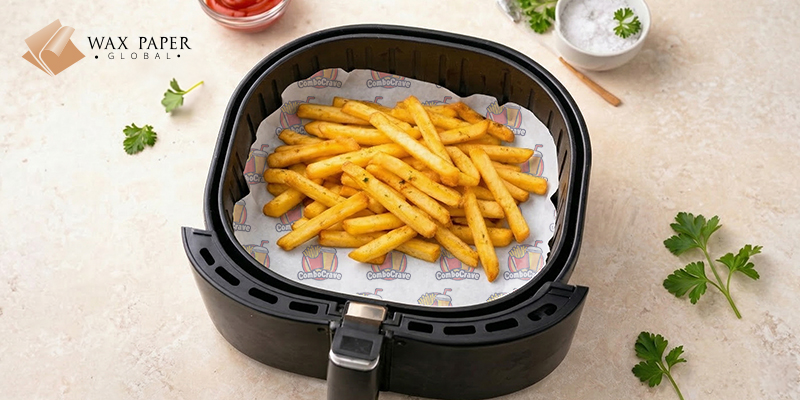
A butcher wrapping paper is not recommended for oven use. It is a strong paper with an ability to tolerate heat enough for smokers but is not designed for direct heat contact. This specific packaging is not coated and hence doesn’t have that protection barrier that would stop the paper from drying out and becoming brittle in the oven. Furthermore, this absorbs the moisture making it highly unstable in high heat. Among all food packaging solutions parchment paper is best for high-heat cooking and can be used across multiple appliances like ovens and air fryers.
Both wrapping papers are used in the kitchen and mainly for cooking but at the same time serve two different purposes. An uncoated butcher wrap excels in minimalistic presentation, BBQ, and smoking while the silicone-coated parchment is dedicated for baking and non-stick cooking. Home cooks or large scale businesses both would get maximum benefit when they would understand the working patterns of the food papers and use them according to the requirement.
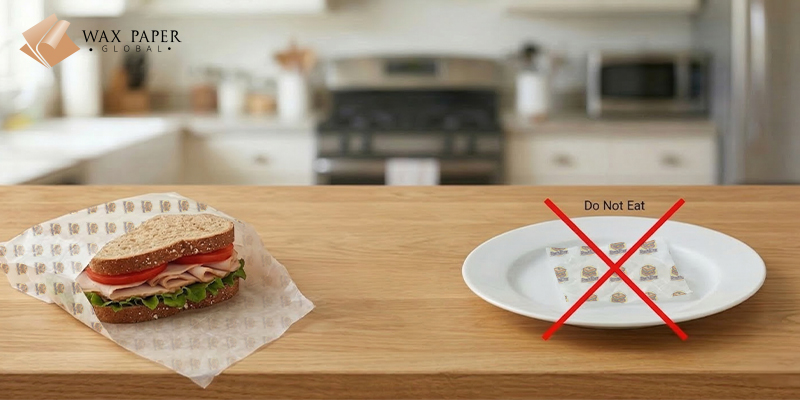
Is Wax Paper Edible or Harmf...
Learn if wax paper is safe to eat, its coating materials, and health risks. Understand proper usage and why it should no...
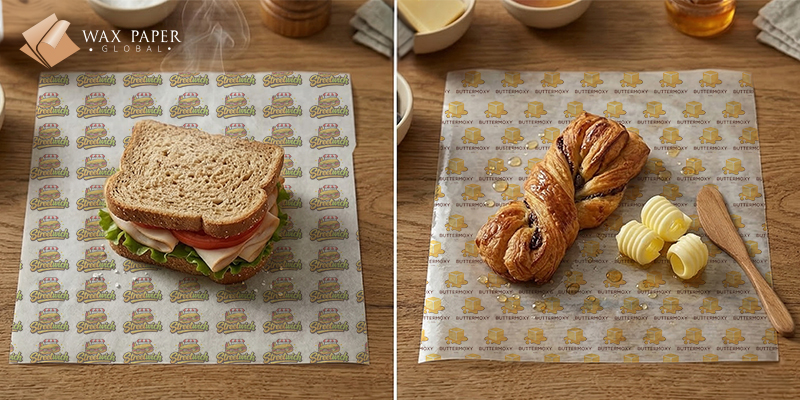
Dry Wax Paper vs. Wet Wax Pa...
Discover how dry and wet wax paper differ in texture, coating, and performance. Find out which option works best for wra...
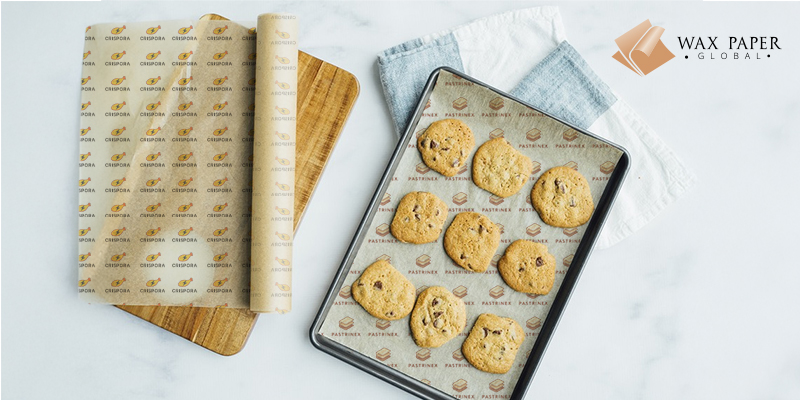
Wax Paper vs. Parchment Pape...
Discover how wax paper and parchment paper differ in coating, heat tolerance, and usage for baking, cooking, and food pa...
Can You Use Parchment Paper...
Learn whether parchment paper is safe in an air fryer. Discover best practices, cooking temperatures, and common mistake...