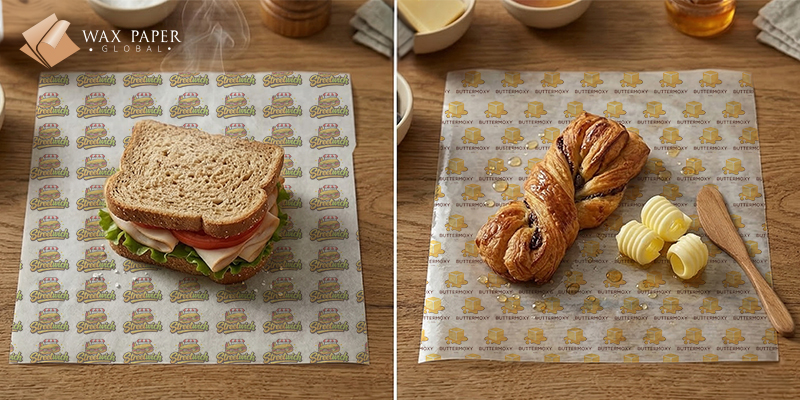
When it comes to commercial packaging, food wrapping, or kitchen prep, two dominant types of papers are available i.e. dry wax paper and wet wax paper. Though they might look similar at first glance but they differ in their functionality a big time. Identical doesn’t mean the same behaviour or characteristics.
Understanding these differences is important for home cooks, bakeries, restaurants, and takeout brands to cook their food with perfection and later present it with the same quality. This would also help the brands when they pair it with other kitchen essential wrapping solutions like parchment paper, custom food wraps, or sandwich paper.
This paper manufacturing is extremely unique where the wax is absorbed into the paper fibres and is extremely thin. This gave the impression that the paper is dry and not greasy at all. The key characteristics include;
This paper is ideal for wrapping burgers, sandwiches, deli, or other takeout meals, where a mild moisture-resistant paper is needed to keep the food fresh.
In this paper the wax coating is visible and thicker. This gives a little heavy and greasy feel to the paper. The coating, unlike dry paper, is not absorbed inside rather it sits on top of the surface. Key characteristics include;
This moisture-lock packaging is highly effective for items that need complete protection from grease and moisture like meat portions, butter pats, high grease bakery goods, or cold food items.
| Feature | Dry Wax Paper | Wet Wax Paper |
|---|---|---|
| Leak Protection | Moderate | Strong |
| Surface Feel | Matte, non-waxy, dry | Visible wax, glossy |
| Moisture Resistance | Low | Excellent |
| Grease Resistance | Moderate | High |
| Heat Usage | Not suitable for heat | Not suitable for heat |
| Breathability | More breathable | Less breathable |
| Wax Coating Method | Wax absorbed in paper fibres | Wax applied on the surface |
| Strength | Excellent for regular packaging needs | More durable for wrapping oily or greasy food |
| Uses | Bakery items, deli wraps, sandwiches | Cheese slices, meat portions, cold food storage similar to freezer paper |
| Food Presentation | Very soft, natural recycled wax paper, perfect for sustainable brands | Has a glossy premium appearance, ideal for high-end packaging look |
Custom wax paper sheets have some distinct features that impact their functionality, so they need to be chosen according to the need and elements of the food.
Choose a grease-resistant and lightweight paper when you are wrapping room-temperature or mild hot food. Slightly coated paper's biggest advantage is its breathability, this lets the food expel steam and prevent moisture trap that further eliminates sogginess. They hold much similarity with custom deli wax paper where a softer feel and surface exist and are needed for excellent custom printing.
While the oilproof wraps are ideal for grease heavy and oil food packaging. Their ability to hold off grease presents a clean and hygienic presentation to food. They are an excellent choice if you are storing food in the freezer or when you require a strong leak barrier.
Every personalized paper, be it wet or dry, carries the same sustainability standards. Even in our extensive customization options which includes printing of brand’s logos, patterns, or designs in the required color of the brand - sustainability is followed.
Base material is biodegradable and soy or water-based inks are used for printing. No plastic coatings are included in soy wax paper making them a completely natural food packaging solution. We also offer customization in size and dimensions of the paper so they would perfectly fit and wrap, prevent spillage, and wastage of food.
Wax-based packaging plays a prominent role in modern food packaging needs. On the same side, both present a great opportunity for branding with vibrant printing and aesthetic color themes, but on the far side both have different roles to play. So, when you are looking to keep food fresh and easy for daily operations then dry paper is the way to go. And if you want maximum protection against grease and want the hands of your customers to stay clean then a wet waxed paper is here to serve you.
Butcher Paper vs. Parchment...
Discover how butcher paper and parchment paper differ in material, coating, and cooking uses. Find out which paper works...
Is Wax Paper Edible or Harmf...
Learn if wax paper is safe to eat, its coating materials, and health risks. Understand proper usage and why it should no...
Wax Paper vs. Parchment Pape...
Discover how wax paper and parchment paper differ in coating, heat tolerance, and usage for baking, cooking, and food pa...
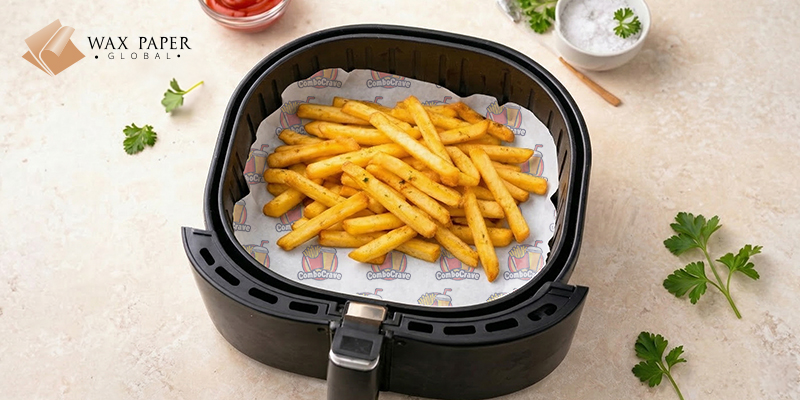
Can You Use Parchment Paper...
Learn whether parchment paper is safe in an air fryer. Discover best practices, cooking temperatures, and common mistake...