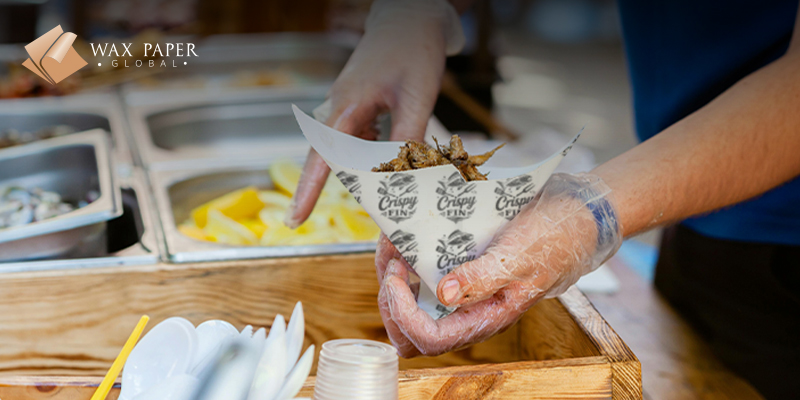
In a competitive world, everything is about presentation, performance, and brand identity. Not everyone is looking for mediocrity and according to the new social media heavy markets - whatever catches the eye, sells like hot cakes. Custom food paper has emerged as a sustainable, cost-effective, and smart packaging solution for businesses of all sizes.
It has the capacity to make food memorable in how it looks, feels, and remembered. This blog explores the different types of custom food papers, and how they are used. For a broader understanding, you can also read our ultimate guide to custom food papers .
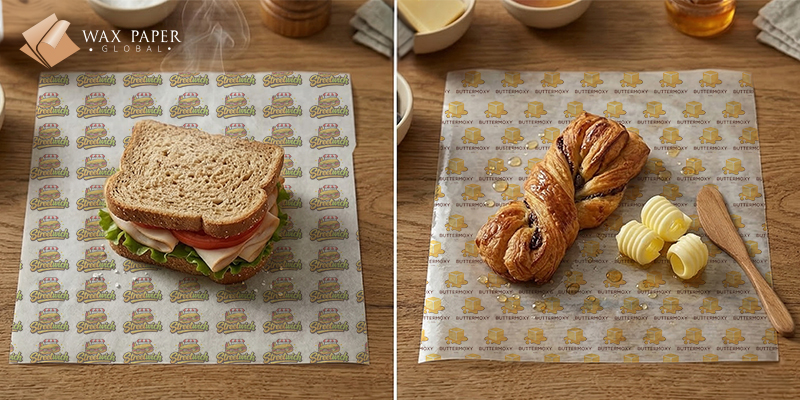
These are food-grade wrapping or lining papers that are printed with various patterns, logos, or messaging according to the liking of the brands. Beyond aesthetics, these papers are exceptionally practical as well. Crafted to handle grease, heat, moisture, and direct food contact without damaging the food. They provide a striking balance of functionality and visual appeal.
They are majorly used for;
A custom parchment paper for food is widely used in bakeries and commercial kitchens. It is highly non-stick and heat-resistant. This makes it a great essential in the kitchen. It performs very well under high temperatures and is ideal for oven-ready, baked goods, and dessert packaging.
A personalized parchment paper helps brands to reinforce their brand identity at every touchpoint. Learn more about parchment paper customization options here.
This paper is designed specifically to resist oil and grease. Printable greaseproof paper is the go to choice for small businesses, takeaways, fast food, and street food packaging. It keeps the food intact, hands clean, and provides a prominent branding. Dive deep and know about the exceptional qualities of the greaseproof paper, its uses, and materials.
This paper is little different as it contains a thin layer of wax coating offering good moisture resistance and flexibility. It’s ideal for cold food storage, deli wraps, and confectionery. It’s best for food items that need light moisture protection without exposure to heat. It can be printed but brands use it for classic, artisanal appeal.
A custom printed kraft paper is the most natural and eco-friendly packaging option out there. Without coatings it has great durability and moderate grease resistance. It produces the most vibrant, clean, and visible prints. Even when coated it is food-safe and suitable for direct food-contact. This paper is popular with farm-to-table, organic, and environmentally conscious brands.
It’s a semi-transparent, smooth, and grease-resistant paper. It’s mostly used for premium foods like chocolates, pastries, and baked goods, where presentation matters as much as functionality and protection. Glassine paper sheets are popular for its minimalist appearance, making it best for luxury and modern food brands who look for understated elegance.
Choosing the right material has a long-term impact on safety, performance, and sustainability. Commonly used material include;
Undeniably - food-safety is the aspect that is never compromised. High-quality papers are manufactured to meet international food safety standards ensuring no harmful impact on anyone.
Some key considerations/p>
To better understand industry requirements, review our guide on FDA-approved food packaging paper and safety standards, tailored for businesses that prioritize compliance.
Every paper be it greaseproof, parchment, or glassine paper - every piece is a branding opportunity. These papers transform simple wraps into branded touchpoints that customers interact with directly.
Select the right option and always consider,
All types of papers are more than just wrapping materials, they are functional branding tools. By choosing the right paper, food businesses can thrive and present their food in the best possible manner that represents the labor and care as hard as the product itself.
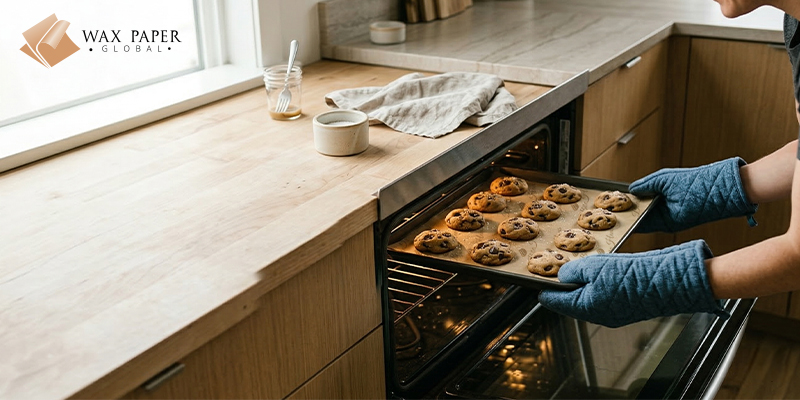
Can Wax Paper Go in the Oven
Learn whether wax paper can be used in the oven and why it may melt or burn. Discover safe alternatives and proper usage...
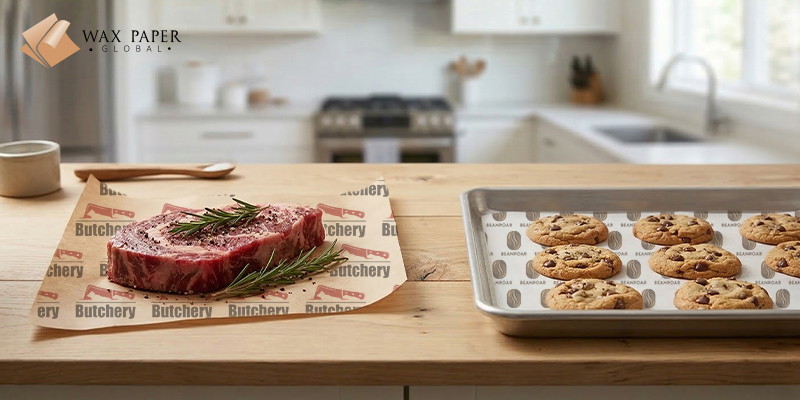
Butcher Paper vs. Parchment...
Discover how butcher paper and parchment paper differ in material, coating, and cooking uses. Find out which paper works...
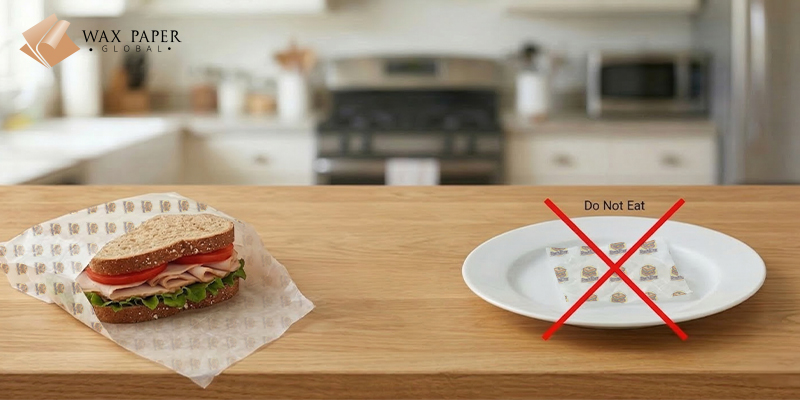
Is Wax Paper Edible or Harmf...
Learn if wax paper is safe to eat, its coating materials, and health risks. Understand proper usage and why it should no...
Dry Wax Paper vs. Wet Wax Pa...
Discover how dry and wet wax paper differ in texture, coating, and performance. Find out which option works best for wra...