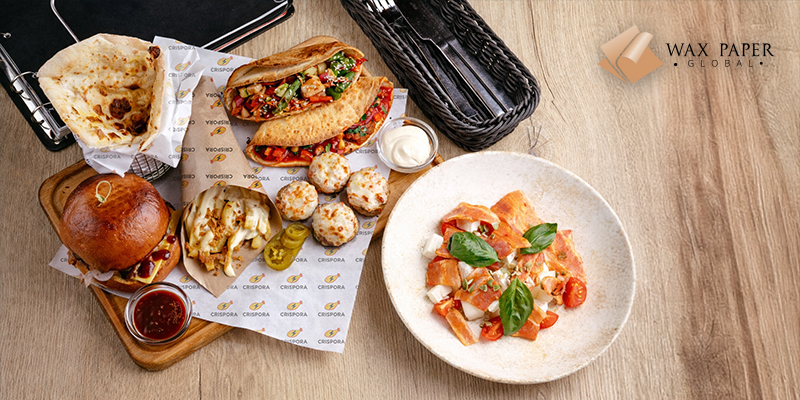
Behind every sheet there is a meticulous material which shoots up the level of a custom food paper from simple to extraordinary. Every sheet is designed to withstand heat, grease, and moisture. To understand the food papers it is an absolute need to know what they are made of and what functions they can perform with perfection. Performance and composition have a close relationship. All features like performance, safety, and sustainability depend on the materials, it's important to consider materials for food paper for an efficient performance.
This guide would help every customer to understand how different papers are grouped, why they behave the way they do, and how that knowledge can lead to better packaging decisions.
This paper is made from food-grade raw materials, which goes through a controlled process to achieve maximum print quality and performance.
Wood pulp or recycled food-safe fibres are processed into paper sheets. Water is added to create pulp slurry. This pulp slurry is then pressed to achieve required strength, surface smoothness, and thickness. This stage defines whether paper is suitable for baking, wrapping, or takeaway.
Later material treatment came, where the paper is modified based on its intended application. This includes;
Paper then goes through heated cylinders for the drying process which stabilizes the coating. It is then moved for printing using food-safe inks via flexographic methods allowing logos, branding, or patterns to be added without compromising food safety.
Many wrapping papers share the same base materials but all the difference lies in their processing, surface treatments, and coatings. These processes sometimes define paper material basics that can make two papers look drastically similar but can have totally different performance patterns and real-world food applications.
Understanding materials helps in;
Papers that fall under this group,
These papers with their distinctive usage and performance are discussed separately, but they all originate from highly refined cellulose fibres. The main difference lies in how the fibres are processed.
Real-world food application sometimes can get tricky. For businesses serving fast-foods with so many different categories, understanding the functionality of food wraps is the key for better application and performance.
These papers are specially made for high temperature performance. The silicone layer creates a moisture resistant and non-stick surface without affecting food flavour.
This is the most well-known silicone-coated food paper. It is mostly coated on both sides for better heat resistance and non-stick performance.
These are the paper based liners mostly used in commercial baking pans and trays.
These are used in the oven for baking or roasting purposes. These are ideal for high-temperature food prep and as tray or pan liners.
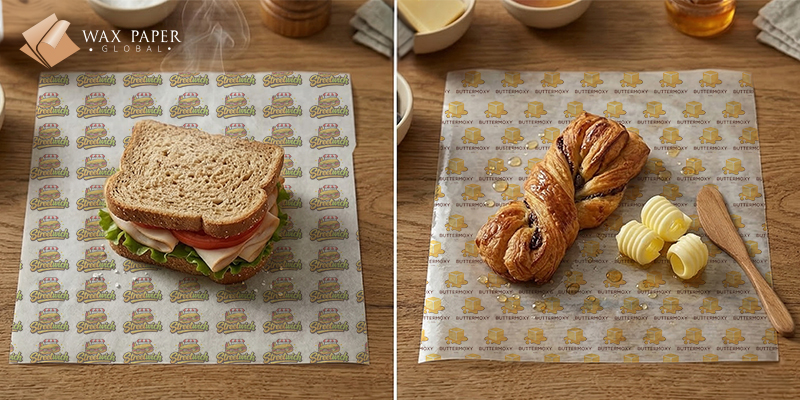
Printing is usually done on the non-food-contact side to maintain performance and safety. The coverage is limited due to the presence of coating but still effective for subtle branding. Branding now-a-days is the main focus for almost any business. Using custom food branding would definitely elevate your packaging making it recognizable to your customers in an instant.
The base material for food wrap sheets is paper pulp and is coated with paraffin wax, natural plant-based, or soy-based wax. The wax creates a protective barrier, which is ideal for short-term food contact.
These papers are also manufactured from paper pulp and have PE or polymer coatings. These papers are ideal for food items that contain excess sauces, moisture, or oil for which a standard paper is not enough. It creates a thin barrier that prevents leakage and structural breakdown.
These papers might have reduced recyclability and have a higher impact on the environment as compared to uncoated paper.
The base material for these paper is unbleached wood pulp or recycled fibres. Among various wrapping paper types these are simple, eco-friendly, and highly durable. They excel in branding aesthetics and environmental perceptions.
Custom kraft paper sheets are popular in this category. They contain extra durability and have a natural look with great print quality. These are perfect for eco-conscious food brands, takeaway wraps, and dry food packaging.
Custom printing is the prime feature for branding, and materials define how sharp designs appear, how ink behaves, and how safe the final product is for food contact.
A smooth surface is important to achieve vibrant colors and sharp logos. Porous custom food papers absorb ink faster, food-safe inks are used and flexographic printing technique is mostly used to achieve clear and clean printing. Producing a food grade paper is the priority that produces best results.
For better application choosing a right paper matters the most. Briefly explaining;
Custom food paper is not just about wrapping; it's about safety, functionality, and storytelling via smart branding. By understanding the types, materials, and uses, businesses can choose better and make smart choices that would eventually elevate their brand’s presence, food-safety, and identity.
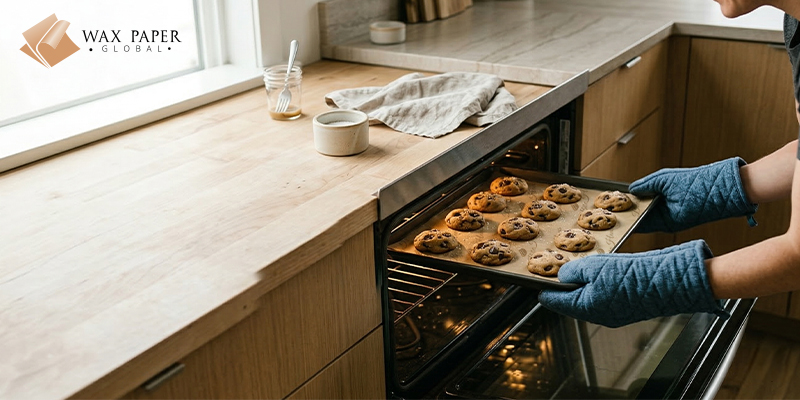
Can Wax Paper Go in the Oven
Learn whether wax paper can be used in the oven and why it may melt or burn. Discover safe alternatives and proper usage...
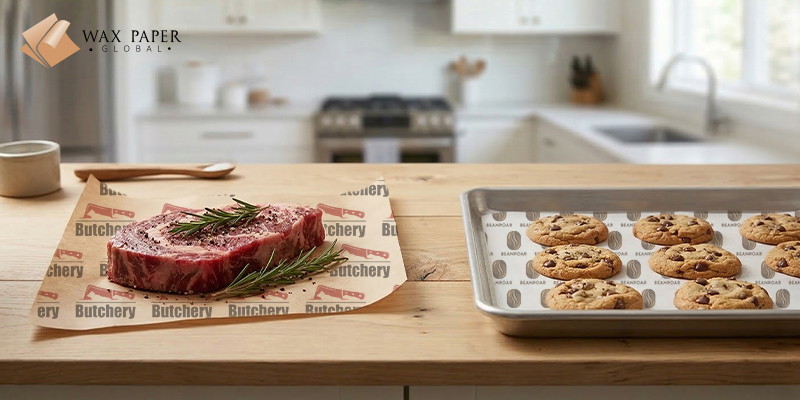
Butcher Paper vs. Parchment...
Discover how butcher paper and parchment paper differ in material, coating, and cooking uses. Find out which paper works...
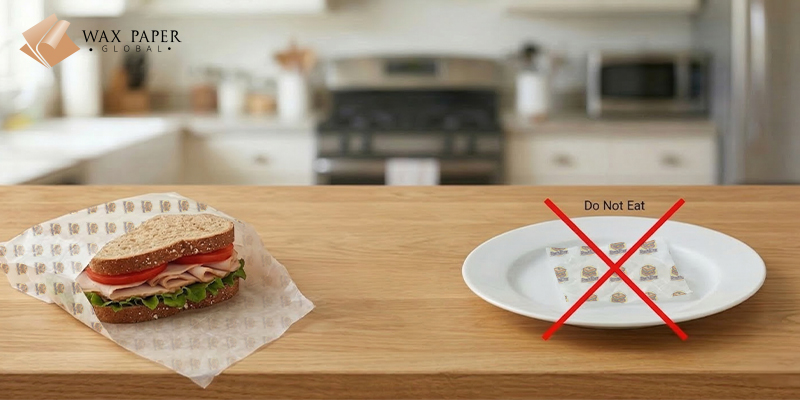
Is Wax Paper Edible or Harmf...
Learn if wax paper is safe to eat, its coating materials, and health risks. Understand proper usage and why it should no...
Dry Wax Paper vs. Wet Wax Pa...
Discover how dry and wet wax paper differ in texture, coating, and performance. Find out which option works best for wra...