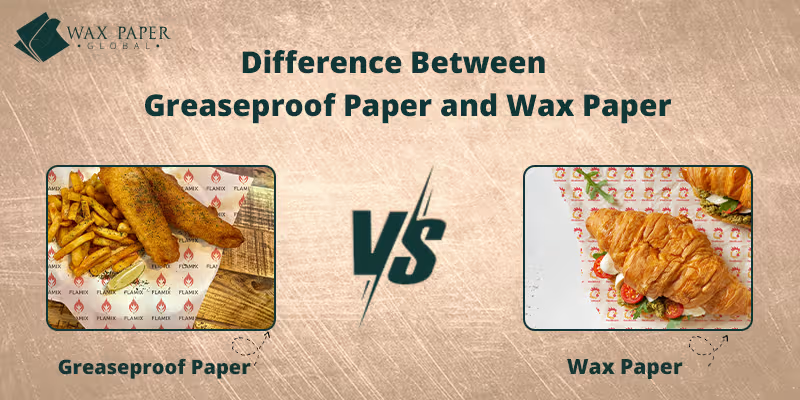
Every paper no matter how much they seem similar has totally different purposes, limitations, and performance. You put hours into the preparation of food, you spend a lot on its preparation, and a wrong sheet has an ability to destroy all that - taking you down with it. It can affect the food quality, cooking results, and safety. This simplistic comparison between greaseproof paper and wax paper, which are two highly similar and confusing papers, guides you toward deeper resources also helping you to decide which paper is right for your needs.
All the difference for the custom wax paper sheets is hidden in its very name containing Wax. a standard paper is coated with a thin layer of wax most commonly a plant-based or paraffin wax. This coating basically gives wax paper its distinctive look and smooth, moisture-resistant, and non-stick surface. This makes it ideal for storage leaks and food preparation.
Unlike greaseproof paper, wax paper heavily relies on its coating for a seamless performance. But once it got exposed to heat, the wax can melt, limiting its usability in cooking.
Greaseproof is a really fine paper made from refined cellulose fibres, densely compacted during manufacturing. The refinement process reduces the paper’s porosity allowing it to naturally resist oil and moisture without any coatings. Because of this natural barrier the paper is able to maintain its strength in oily conditions.
If you like a deeper look into the manufacturing process, then explore our detailed blog on “What is greaseproof paper? How is it Manufactured?”
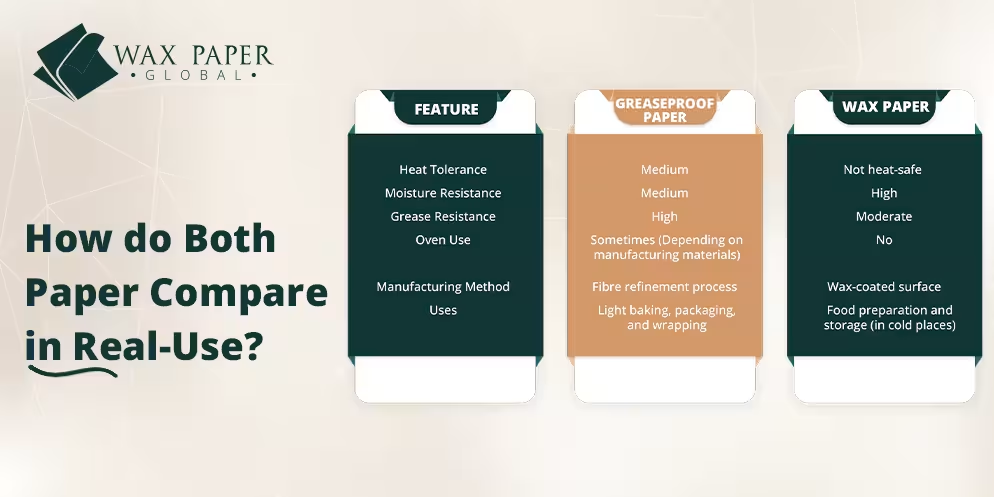
A quick side-by-side analysis would make it easy for you to efficiently analyze the main points and features.
| Feature | Greaseproof Paper | Wax Paper |
|---|---|---|
| Heat Tolerance | Medium | Not heat-safe |
| Moisture Resistance | Medium | High |
| Grease Resistance | High | Moderate |
| Oven Use | Sometimes (Depending on manufacturing materials) | No |
| Manufacturing Method | Fibre refinement process | Wax-coated surface |
| Uses | Light baking, packaging, and wrapping | Food preparation and storage (in cold places) |
This small section would help in distinguishing between the two. Opening a window towards all consumers about which one would be suitable for their needs, and why greaseproof paper is suitable and is often discussed in more depth across food businesses and professional kitchens. Visit our “Ultimate guide to greaseproof paper” which covers all the essential properties and applications in detail.
Since we are talking about food, the most important question always revolves around the heat tolerance of the food paper. Heat resistance is one distinctive feature between greaseproof and wax paper.
Depending on manufacturer’s specifications, naturally a custom print greaseproof paper has limited heat tolerance. In comparison to wax paper it doesn’t melt but excessive temperatures may disrupt the features like weakening or browning it. Questions around appliance use are common and we carefully discussed them in two separate guides “Can greaseproof paper be used for baking?” and “Can greaseproof go in the microwave?”
Wax paper on the other hand doesn’t complicate anything. The wax, like in normal life, melts when it comes in contact with heat. So, they are simply not meant for oven or cooking applications under heat.
Greaseproof paper gives off its speciality also with its name. It is specifically designed to resist oils and fats. The major advantage is that the paper is naturally breathable and has resistant structure eliminating the need for any extra technical enhancements.
Wax paper has a greater moisture resisting tendency than grease resistance. The oils can compromise the wax layer limiting its effectiveness for greasy food.
Greaseproof paper is widely used across various platforms like in cafes, food packaging, and bakeries. It is also ideal for serving food and wrapping takeaway items. This versatility often prompts many consumers to wonder where they can buy different types of greaseproof paper and we give them quality options in “Where can I buy greaseproof paper?”
Wax paper is ideal for packing cold food items and short-term storage of food. It is best for preparation tasks like separating food layers, rolling dough, and protecting work surfaces during prep.
If your concerns are more towards serving hot items, oily food, or packaging baked goods - greaseproof paper is the way to go. Its grease resistance and structural integrity would help you to eliminate any embarrassment in the kitchen.
And if you want a clean surface and looking for a mess-free kitchen during and after cooking - then use wax paper. Its non-stick performance would help you to have clean surfaces and separated food. But, the application shall remain outside heat-based cooking.
While greaseproof and wax paper may look alike, they serve totally different roles in the kitchen and commercial use. Greaseproof paper is crafted for limited heat exposure and high grease control, while the wax paper excels in storage and preparation of food, but is highly unsuitable for cooking. Understanding these differences creates stability for you, ensuring better results and safer cooking practices.
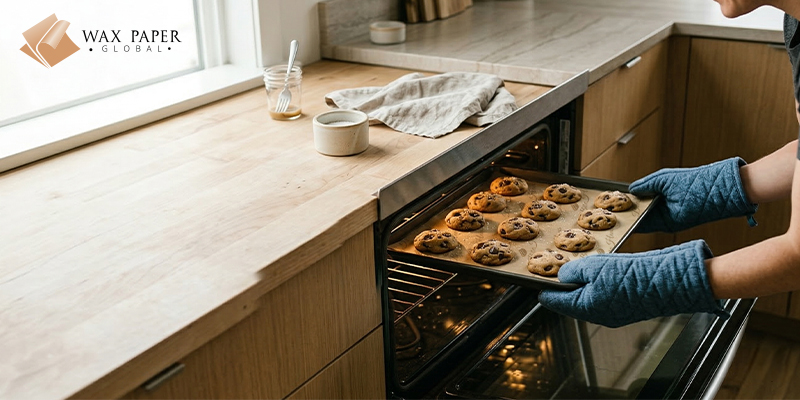
Can Wax Paper Go in the Oven
Learn whether wax paper can be used in the oven and why it may melt or burn. Discover safe alternatives and proper usage...
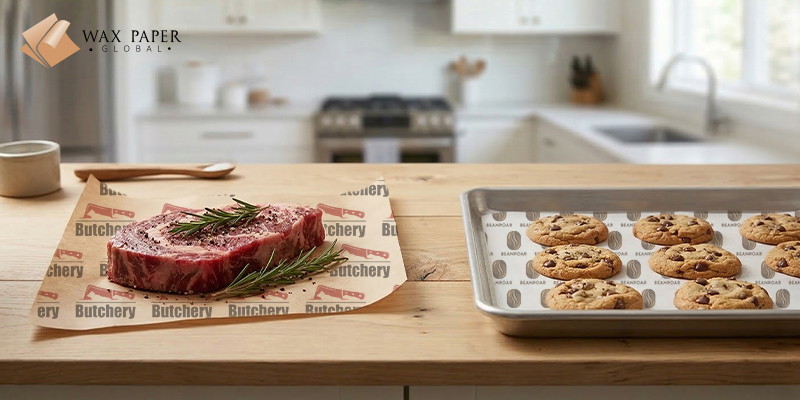
Butcher Paper vs. Parchment...
Discover how butcher paper and parchment paper differ in material, coating, and cooking uses. Find out which paper works...
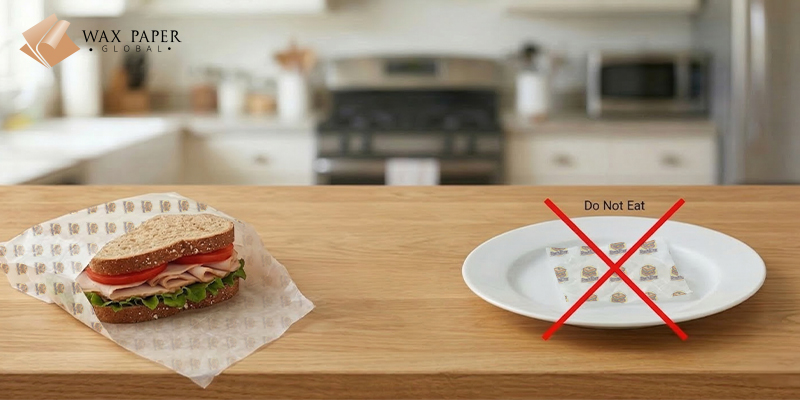
Is Wax Paper Edible or Harmf...
Learn if wax paper is safe to eat, its coating materials, and health risks. Understand proper usage and why it should no...
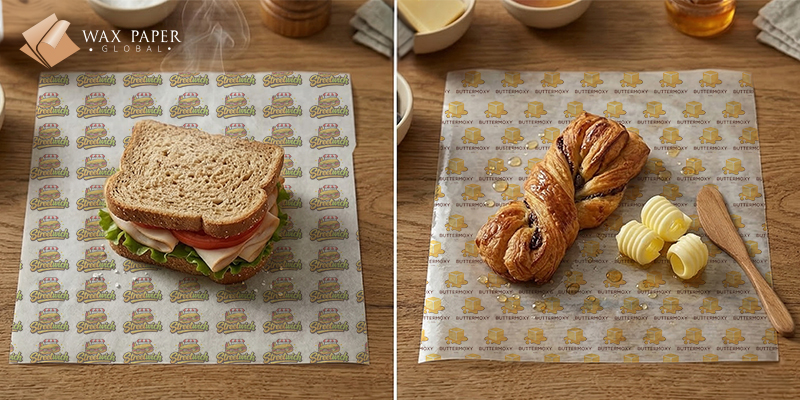
Dry Wax Paper vs. Wet Wax Pa...
Discover how dry and wet wax paper differ in texture, coating, and performance. Find out which option works best for wra...