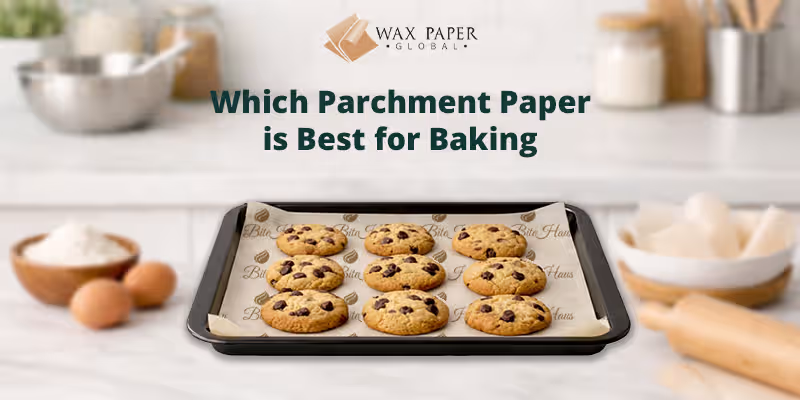
Parchment paper can seem to be like an easy paper to identify, but all that simplicity can easily be ruined once a wrong paper is chosen which brings out an inconsistent baking. This guide step-by-step breaks down what bakers need to look for when selecting a parchment paper.
Every paper sheet qualification changes with the change in its specification and composition. For someone not familiar with what a parchment paper is, our “Ultimate guide to parchment paper” would be very helpful as it covers the basics and details how it works.
For a straightforward answer - parchment paper is the protagonist of the baking. A baking-grade custom size parchment paper is designed to withstand high oven temperatures while maintaining a non-stick surface. The important features include;
Always use a high-quality, premium grade parchment paper for baking as a lower quality one has high chances of getting wrinkled, losing non-stick performance, or scorching.
It's extremely important to distinguish between a bleached and an unbleached parchment paper. Both lie under the same umbrella but have different roles to serve.
| Feature | Bleached | Unbleached |
|---|---|---|
| Appearance | Bright finish with white color | Contain natural brown color |
| Non-stick Quality | High (with silicone-coating) | High (with silicone coating) |
| Baking Performance | Excellent | Excellent |
| Odor Impact | Neutral | None |
| Heat Resistance | High | High |
| Environmental Impact | Some chemicals are used for bleaching (food-grade chemicals) | All natural with no bleaching agents |
| Preferences | Preferred for presentation-focused baking | Commonly needed for eco-conscious baking |
| Uses | Professional presentation, cakes, pastries, cookies | Ideal for everyday baking |
Definitely, thickness plays a crucial role in baking performance. Every sheet carries a different GSM range and performs according to that.
Parchment paper with higher GSM holds its shape under heat, resist curling and supports even heat distribution.
Conversely, a parchment paper with less GSM has higher chances to get displaced or tear easily during baking. Choose the right thickness based on the type of baking to ensure better control and consistency.
Even though parchment paper is made to ensure high heat tolerance, cooking is not simple and every food item requires different temperatures and heat to prepare - not every parchment paper has the same abilities and one should always check the manufacturer's recommended temperature limit. A standard parchment paper has 215-232°C (420-450°F) of heat resistance while commercial grade parchment paper can get up to 250°C (480°F). Exceeding the limit would damage the paper and food as well.
It's also important to not confuse parchment paper with other papers. If you are unsure go through our guide on “Difference Between Parchment Paper and Other Papers” which explains the differences in much more detail.
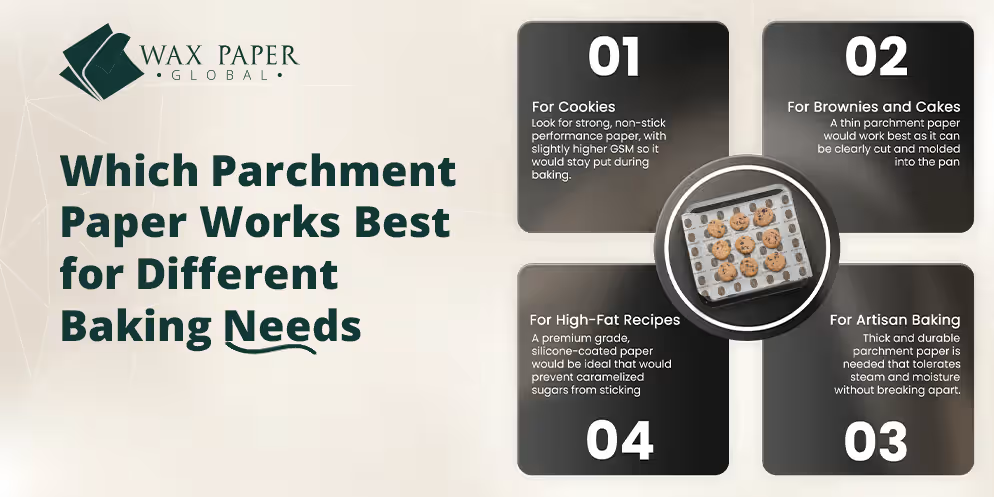
Parchment paper is multipurpose and serves way above a simple single functional role. Many bakeries use custom printed parchment paper with logo for branded presentation, lining tray, or personalized packaging. It gives their brand a unique validity and separate standing. For more information visit “Can you custom print parchment paper?” to understand custom printing in more depth.
Efficiency, consistency, and results - all are related to choosing the right type of parchment paper. It reduces prep time and minimizes waste. Bakers with the right kind of paper can focus on technique rather than troubleshooting. This aspect is further discussed in “How parchment paper helps bakers bake smarter” where we looked at workflow improvements and professional baking advantages in more detail.
Some common mistakes might include;
The best parchment paper for baking is the one that matches with your needs, oven temperature, recipe types, and baking frequency. By focusing on heat resistance, thickness, and quality, bakers can achieve clean and professional level results. Sometimes just minor mistakes in the beginning put all the difference between - An average bake and a Great one. So, always choose wisely.
Can Wax Paper Go in the Oven
Learn whether wax paper can be used in the oven and why it may melt or burn. Discover safe alternatives and proper usage...
Butcher Paper vs. Parchment...
Discover how butcher paper and parchment paper differ in material, coating, and cooking uses. Find out which paper works...
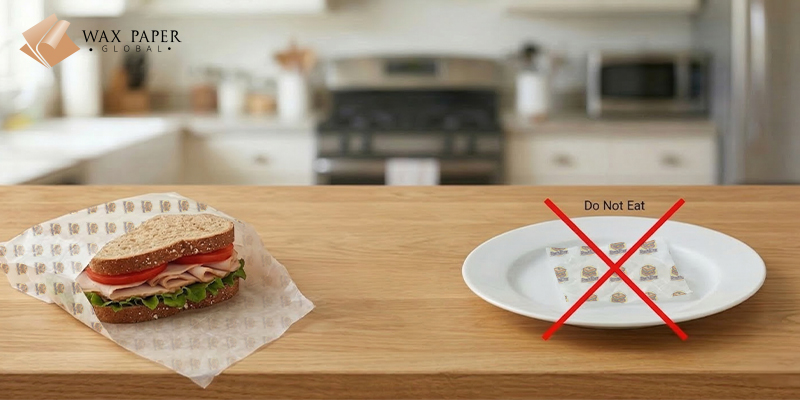
Is Wax Paper Edible or Harmf...
Learn if wax paper is safe to eat, its coating materials, and health risks. Understand proper usage and why it should no...
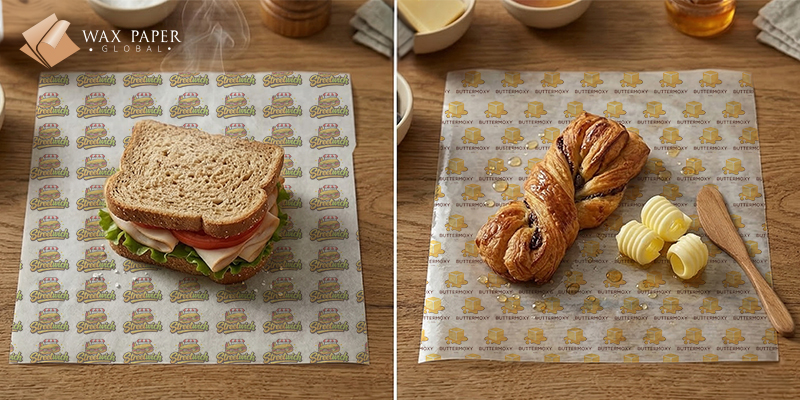
Dry Wax Paper vs. Wet Wax Pa...
Discover how dry and wet wax paper differ in texture, coating, and performance. Find out which option works best for wra...